
Integrating Smart Home Wellness Technology for Air, Water, and Light Quality
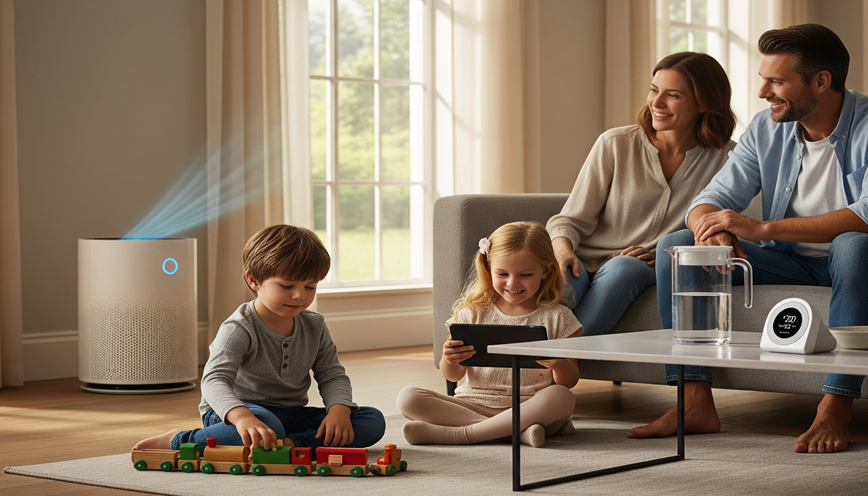
Let’s be honest. For years, “smart home” meant turning on lights with your voice or checking a camera feed. Neat, sure. But today, it’s shifting from simple convenience to something far more personal: our health. The new wave of smart home wellness technology isn’t about gadgets—it’s about creating a living environment that actively cares for you.
Think of your home not as a collection of rooms, but as an ecosystem. The air you breathe, the water you drink, the light that regulates your mood and sleep… these are the foundational elements. And now, we can manage them with a level of precision that was once science fiction. Here’s the deal: integrating these systems is where the real magic happens.
Breathing Easy: Smarter Air, Smarter Health
You can’t see most of what’s in your air, but your body feels it. Dust, VOCs from furniture, pollen, even excess humidity. Modern smart air purifiers do more than just filter; they diagnose. They give you a real-time readout of your air quality score—often breaking down particulate matter (PM2.5), allergens, and chemicals.
The key to integration? Letting these devices talk. A truly connected system might link your smart air purifier with your HVAC and even your windows. Imagine: your indoor air sensor detects a spike in pollutants from outside. Instead of just ramping up filtration, it signals your smart thermostat to switch the system to “recirculate” and pings you to close the smart windows. It’s a coordinated defense.
Key Components for Clean Air
- Smart Air Purifiers & Monitors: Devices like those from brands that focus on detailed analytics. They’re the central nervous system for your air.
- Smart Thermostats with Air Quality Sensors: Many now include basic sensors, acting as a helpful first alert.
- Smart Vents: These can direct clean air to specific rooms that need it most—like a bedroom at night.
- Humidity Sensors & De/humidifiers: Crucial for preventing mold (too damp) or irritated sinuses (too dry). Aim for that 40-60% sweet spot.
It’s about creating a responsive environment, not just a reactive one.
The Hidden Layer: Water Quality You Can Actually Track
We all assume the water from our tap is fine. But what if you could know, not assume? Smart water technology has moved far beyond the basic filter pitcher. Whole-home smart water filters monitor pressure, flow, and—in some advanced models—even contaminant levels. They send alerts to your phone for filter changes, so you’re never guessing.
But the wellness angle goes further. Think about hydration. Smart water bottles that sync with your health apps to nudge you to drink? They exist. And then there’s the shower—a surprising source of chlorine inhalation and skin exposure. Smart showerheads with built-in filters can remove chlorine, and some even have voice controls to set your perfect temperature before you step in, reducing scalding risk.
| Technology | Wellness Benefit | Integration Tip |
| Under-Sink Smart Filter | Clean drinking/cooking water with usage data. | Connect to a smart faucet for voice-activated dispensing. |
| Whole-Home Water Monitor | Leak detection + broad quality oversight. | Integrate with home security system for flood alerts. |
| Smart Shower System | Better skin/hair health, safer temperature. | Set a “wind-down” routine that triggers a warm shower at a set time. |
Lighting Your Circadian Rhythm
This might be the most profound piece of the puzzle. Light isn’t just for seeing; it’s the primary cue for your circadian rhythm. Harsh, blue-heavy light at night disrupts melatonin. Dim, warm light in the morning can make it harder to wake. Smart lighting solves this by mimicking the sun’s natural progression.
You know that feeling of golden hour? That soft, warm glow? A well-tuned smart lighting system can bring that inside, gradually shifting from energizing cool whites in the morning to relaxing amber tones in the evening. It’s not just a bulb change—it’s a daily light cycle programmed for your biology.
Making Light Work for You
- Tunable White Bulbs: The foundation. They adjust color temperature (measured in Kelvin).
- Circadian Lighting Scenes: Pre-set routines like “Sunrise Start” or “Evening Wind-Down.”
- Smart Blinds or Shades: Honestly, these are game-changers. They can open with your morning alarm, flooding the room with natural light, and close at dusk for privacy and insulation.
The integration potential is huge. Your sleep tracker notices restless sleep? It could trigger a more gradual sunrise simulation the next morning. Your evening “movie time” scene could automatically dim the lights to a specific, relaxing hue.
The Symphony: How to Make It All Work Together
Okay, so you have a smart air purifier, a water monitor, and some fancy lights. If they’re all in separate apps, it’s just a collection of gadgets. The goal is a symphony, not soloists. This is where platforms matter.
Choose devices that work with a common ecosystem—like Google Home, Apple HomeKit, or Amazon Alexa. Better yet, use a dedicated hub platform like Samsung SmartThings or Hubitat to create advanced automations, or “if this, then that” routines.
Imagine a “Good Morning” routine that:
1. Gradually raises the bedroom lights to simulate dawn.
2. Checks the air quality report and purifies if needed.
3. Signals the smart kettle to boil for your morning tea.
Or a “Health Check” dashboard that shows you, at a glance, your home’s vital signs: AQI, water filter status, and today’s light exposure.
Start small. Pick one area—maybe sleep—and build a routine around it. A calming light scene plus an extra air purification cycle in the bedroom an hour before bed. That’s a tangible win.
The Human in the Smart Home
All this tech… it can feel overwhelming. The point isn’t to obsess over every data point. It’s to set it, forget it, and let your home become a background guardian. The technology should fade into the woodwork, leaving you with the feeling—the undeniable, palpable feeling—of living in a space that is quite literally better for you.
We’re moving past the era of the smart home as a novelty. We’re entering the era of the mindful home. A home that doesn’t just respond to commands, but understands needs. It listens to the subtle cues of your environment and adjusts, silently working to make the air a little cleaner, the water a little purer, and the light a little more in tune with your own human rhythm.
About Author
